
Chemistry Minor
Build expertise in analytical and organic chemistry, then choose advanced study in inorganic chemistry, biochemistry, or physical chemistry.
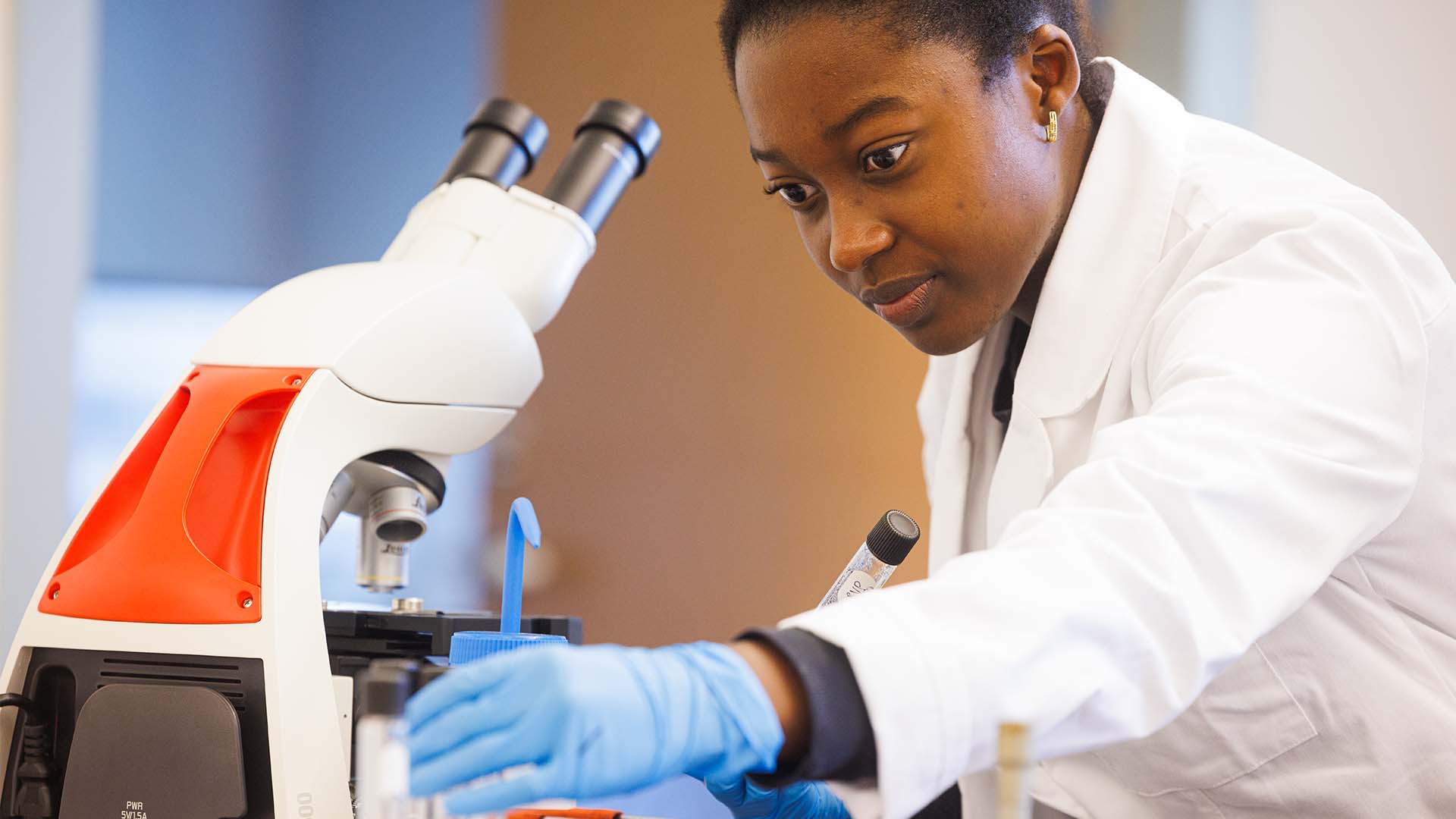
Study matter. Build laboratory skills. Connect chemistry across disciplines.
Program Type: Minor
Total Credit Hours: 23
Open to: All MCLA Undergraduates
Why Add a Chemistry Minor?
Chemistry is known as the central science because it connects physics and mathematics with biology, medicine, and environmental science. The Chemistry Minor gives students in other majors a structured introduction to this discipline through general, organic, and analytical chemistry, laboratory work, and one chosen area of advanced study.

Hands-On Laboratory Work Across Every Required Course
Each of the five required core courses in the Chemistry Minor includes a laboratory component. Students apply chemical principles through experiments in general, organic, and analytical chemistry, while CHEM 310: Analytical Chemistry develops techniques in titrimetry, spectroscopy, gas chromatography, and electrochemistry.

Start the Minor While Completing Your Core Curriculum
CHEM 150: Introduction to Chemistry I and CHEM 152: Introduction to Chemistry II both carry the Core Science and Technology with Lab designation. Students who apply both courses toward this Core requirement will have completed eight of the 23 credits required for the Chemistry Minor.

A Sub-Field You Choose, Not One Assigned to You
The minor concludes with an approved three-credit elective that develops knowledge in a selected subfield. Students can focus on inorganic chemistry, biochemistry, or physical chemistry based on their academic interests, career goals, and completed prerequisites.
Chemistry Minor Requirements
The Chemistry Minor requires 23 credits. Students complete five required courses and one approved upper-level Chemistry elective.
courses available:
- CHEM 150: Introduction to Chemistry I
- CHEM 152: Introduction to Chemistry II
- CHEM 201: Organic Chemistry I
- CHEM 202: Organic Chemistry II
- CHEM 310: Analytical Chemistry
- One approved upper-level Chemistry elective
Elective courses available:
- CHEM 301: Physical Chemistry I
- CHEM 302: Physical Chemistry II
- CHEM 311: Instrumental Analysis in Chemistry
- BIOL 360: Biochemistry
- CHEM 395: Special Topics in Chemistry
- CHEM 401: Advanced Laboratory
- CHEM 420: Special Topics in Chemistry
How to Add the Chemistry Minor
Enrolled MCLA students should meet with their academic advisor and a Chemistry faculty member to plan the five required courses and approved elective. Students must also complete a Change of Major/Minor/Concentration form to officially declare the minor.
Who Can Add the Chemistry Minor?
The Chemistry Minor is open to MCLA undergraduates who are not chemistry majors and provides relevant scientific preparation for fields such as biotechnology, art conservation, medical research, forensics, environmental science, and laboratory-based work.
Health Sciences and Pre-Medicine: Health Sciences, pre-medical, pre-physician assistant, and pre-physical therapy students can build a rigorous chemistry foundation that supports preparation for professional-school coursework and admission requirements.
Environmental Studies: Environmental Studies students deepen their understanding of chemical processes affecting air, water, soil, pollutants, energy systems, and other areas of environmental science.
Public Health and Community Health Education: Public Health and Community Health Education students strengthen their understanding of chemical exposures, environmental health risks, medications, and biological processes affecting human health.
Psychology: Psychology students interested in neuroscience, clinical psychology, or health-related careers gain chemical context for understanding biological systems, medications, and molecular processes related to behavior.
Skills You Will Develop
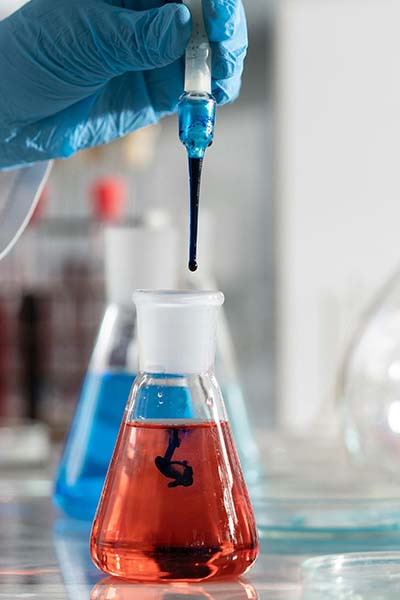
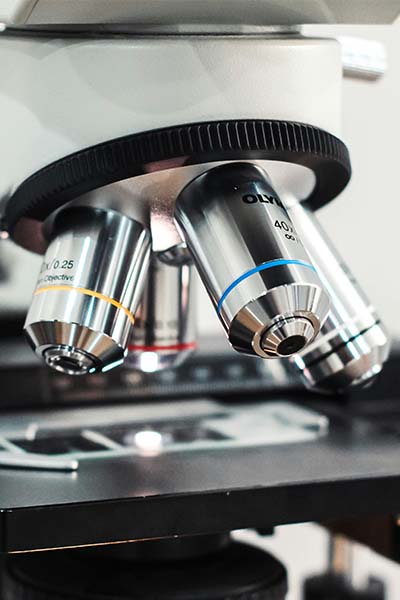
Spotlight Courses
Faculty
Meet Your Mentors

FAQs
Yes. Students complete both CHEM 201: Organic Chemistry I and CHEM 202: Organic Chemistry
II, including their corresponding laboratory components.
The minor can strengthen academic preparation by providing coursework in general,
organic, and analytical chemistry. Admission requirements vary by institution, so
students should compare the minor with the prerequisites of the medical, pharmacy,
or other professional programs where they plan to apply.
The general Biology B.S. already requires CHEM 150, CHEM 152, CHEM 201, and CHEM 202.
Biology majors would generally need CHEM 310 and one approved three-credit elective,
totaling seven additional credits, although requirements may differ by concentration.
Students must earn a minimum 2.0 GPA across all courses applied to the Chemistry Minor and meet the prerequisites for each course.
Choose the elective that best supports your goals and completed prerequisites. Inorganic
chemistry examines elemental structure and reactivity, biochemistry focuses on the
molecules and chemical processes of living systems, and physical chemistry applies
thermodynamics, mathematics, and quantum theory to chemical behavior.
The 23-credit minor covers general, organic, and analytical chemistry before adding
one advanced elective. The 61-credit Chemistry B.S. includes broader study in inorganic
chemistry, biochemistry, physical chemistry, instrumental analysis, advanced laboratory
work, mathematics, and physics.
Related Programs
Interested in Learning More About MCLA's Chemistry Programs?
Reach Out To Us
We’ll share helpful information and student stories, and we promise not to flood your inbox.